
In short
Under-15 football is the full game: 11v11 on a full or near-full pitch, offside, team systems, and players who can understand and use video. This is where analysis pays back most: team shape, pressing, transitions and set pieces can be shown on your own match, and players can review their own clips. Film from high on the halfway line, keep a weekly review of 15 to 20 minutes, and make it about decisions, not blame.
What changes at under-14 and under-15
By thirteen and fourteen, players think in teams and units. They can hold a role, understand a plan, and talk about the game. They are also growing at very different speeds: two players born in the same year can be years apart physically, which affects who looks good on a Saturday. Judge decisions and understanding, not only size and speed.
This is the age when video stops being a curiosity and becomes a habit. Players who learn to watch their own game now keep the habit for the rest of their football.
- Tactical roles and units: back line, midfield, front line.
- Pressing, compactness and transitions start to matter.
- Growth spurts and maturation differences are large.
- Players can review clips on their own and explain choices.
Typical format at under-15
Under-15 football is 11v11 in most countries; England and US Soccer move to 11v11 at under-13. Pitch size, match length and substitution rules vary by league, so check your competition. The offside law applies in full.
- 11v11 with offside.
- Size 5 ball in most competitions.
- Full or near-full size pitch, depending on the league.
- Systems such as 4-3-3, 4-2-3-1 and 3-5-2.
What to coach at this age
Coach principles before systems. A team that knows what to do when it wins and loses the ball can play any shape.
- In possession: width and depth, playing through or around a press, third-man runs.
- Out of possession: compactness, pressing triggers, protecting the space behind.
- Transitions: the five seconds after winning and losing the ball.
- Set pieces: roles, blocks, second balls.
- Unit work: back line distances, midfield screening, front line pressing.
Filming an 11v11 match with one phone
A full pitch is harder to fit than a 7v7 one. Go higher, at four to five metres if you can, on the halfway line, and either use a locked frame that keeps most of the pitch or turn slowly with the play, keeping every outfield player in the frame. Never zoom, and never follow only the ball: shape and distances are what you will analyse.
Landscape, 1080p at 30 frames per second (4K if you have the storage), the main lens, focus and exposure locked, a full battery and a power bank. Record the whole match, including the moments without the ball.
A weekly video routine
- Match day: film from the halfway line, as high as you can.
- The next day: import the match and let the scan mark the shots and moments.
- Pick three to five clips around one theme: pressing, build-up, transitions or set pieces.
- Freeze each, switch on the layers that prove the point, draw it, record a voiced take.
- Team review of 15 to 20 minutes, then a training session on the same theme.
- Send each player one or two individual clips to watch on their own.
What to look at on the video
- Distances between the lines when defending, in metres.
- Passing lanes from the ball carrier: which were open, which were used.
- Who controls the space: where the gaps between players are.
- Pressure on the ball at the moment of a turnover.
- Shots, and where they came from, across the match.
- Heatmaps of where the team actually played.
How TacticalSnap helps at under-15
Import the match and the scan tracks the players, splits the teams by kit colour and marks every shot. Freeze a moment and the pitch is calibrated, so distances are in metres. The Layers show passing lanes, the space each player controls (Voronoi), pressure on the ball, a grid and a mini map. Compare puts two moments side by side, the match report lists shots and rhythm, and Spatial Analytics draws heatmaps.
Prepare the next game on the Pre-Match board with your squad, record voiced takes for the team meeting, and export reels for individual players with Pro. Analysts can export the timeline as Sportscode XML or CSV.
Teenagers, consent and privacy
Under-15 players are still minors. Follow your club's safeguarding policy, get consent from parents, use footage for coaching, share it privately, and never use clips to embarrass a player in front of others. Rules on children's data differ by country. TacticalSnap analyses video on the device and uploads nothing.
How-to videos for this age group
How to film a youth football match (U5–U10) so the video is actually useful
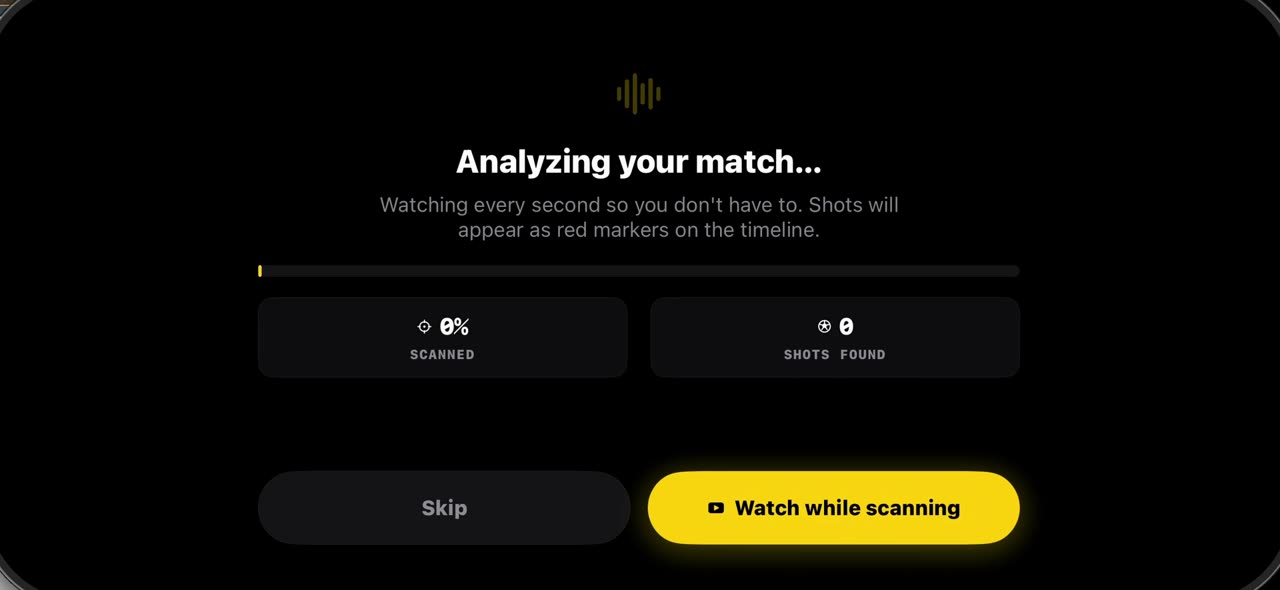
How to import a match into TacticalSnap (and what the first scan finds)
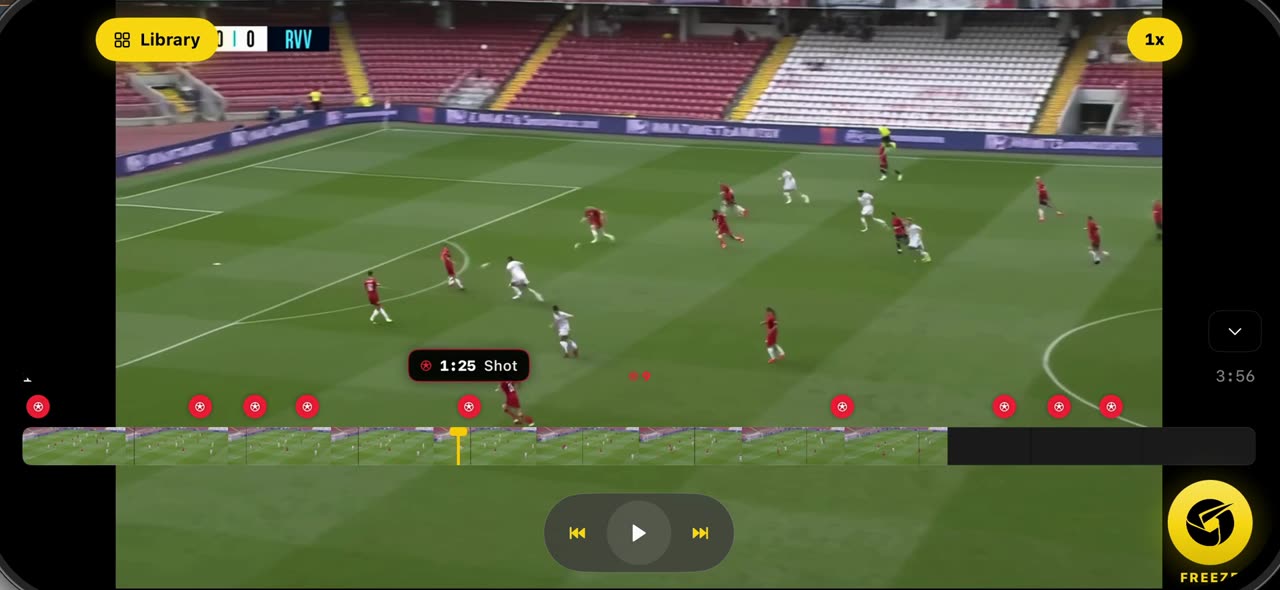
How to freeze a moment and scan the players in TacticalSnap
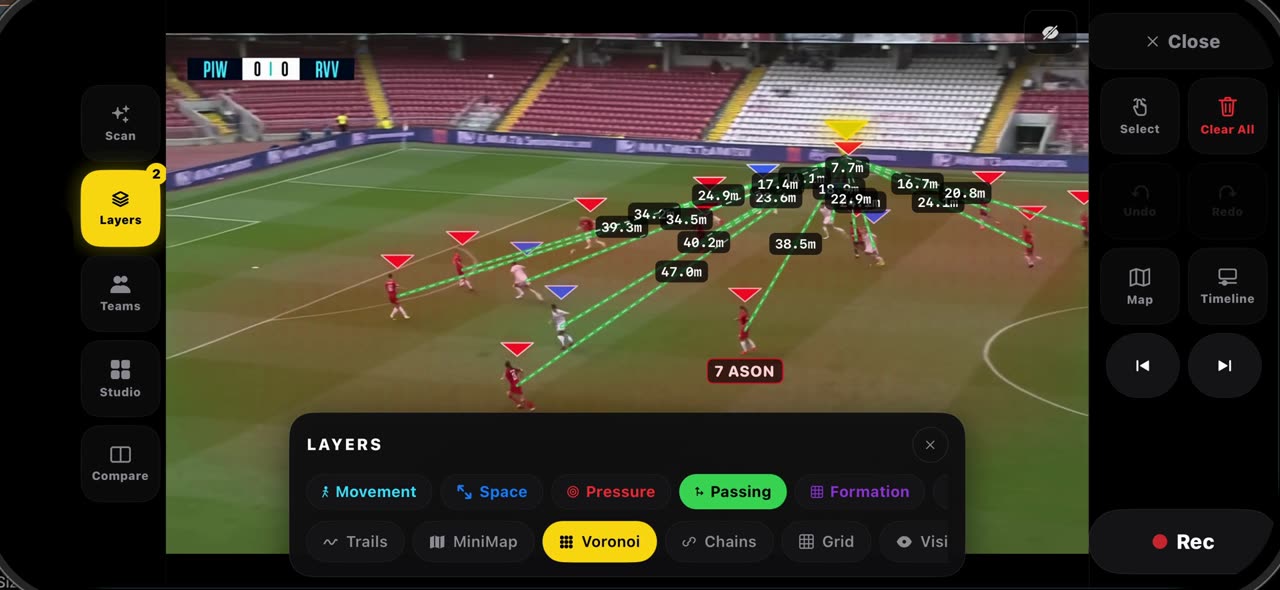
How to read a frozen frame with the layers in TacticalSnap
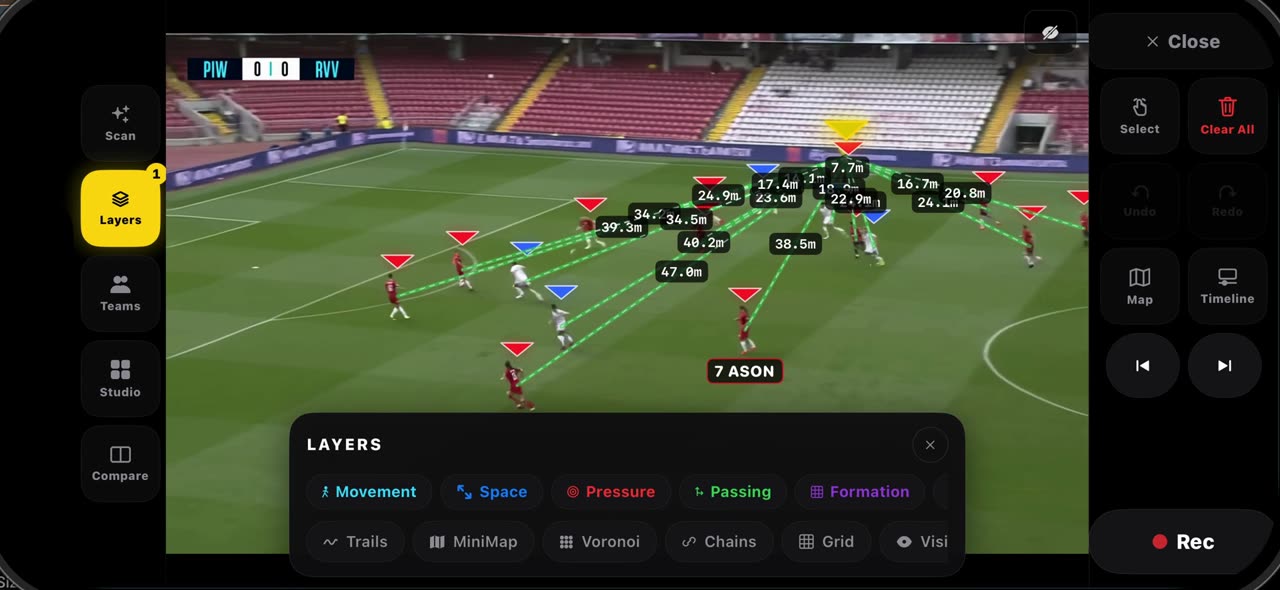
How the pitch is calibrated in TacticalSnap, and what it gives you
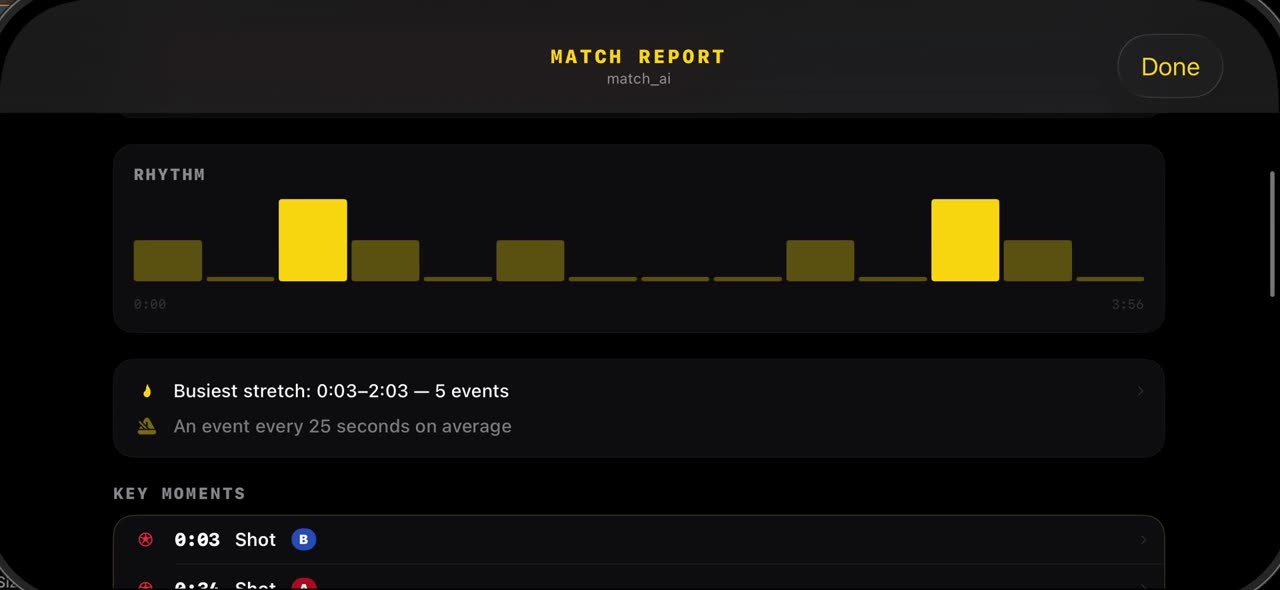
How to read the match report in TacticalSnap
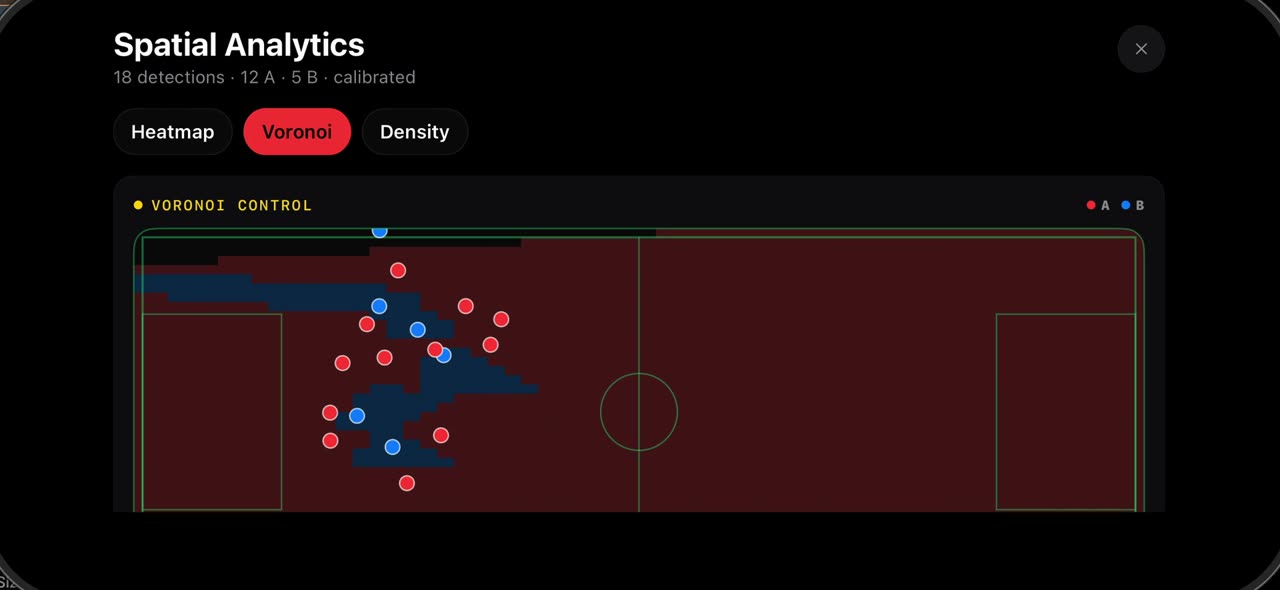
How to see where your team played: heatmap, Voronoi and density in TacticalSnap
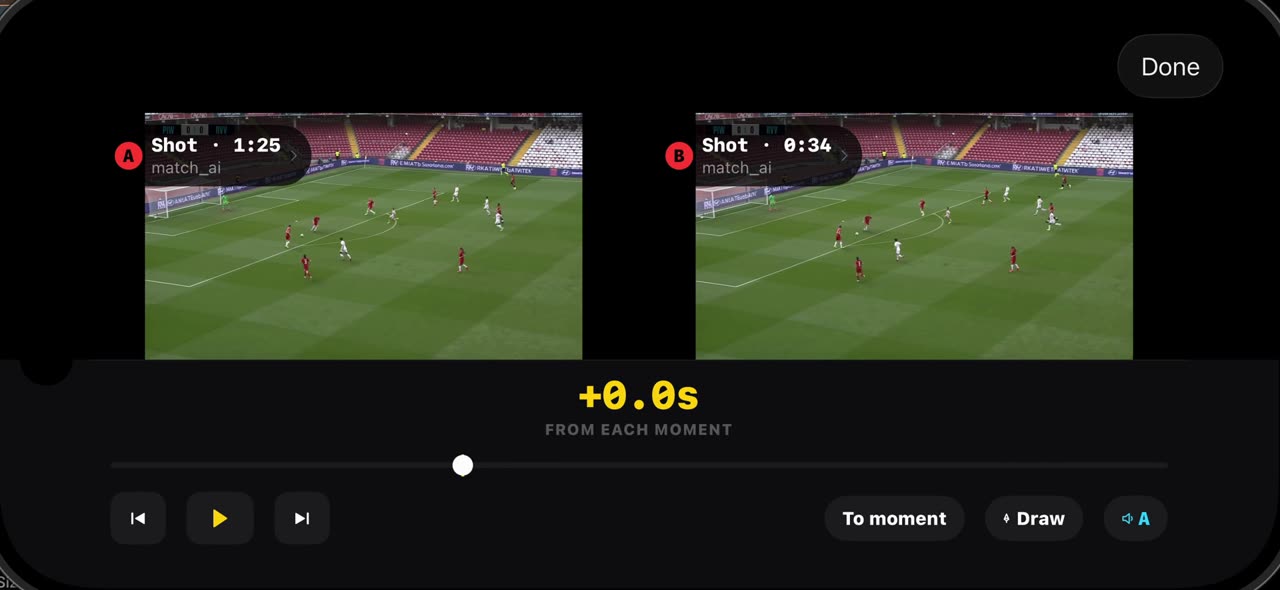
How to compare two moments of a match in TacticalSnap
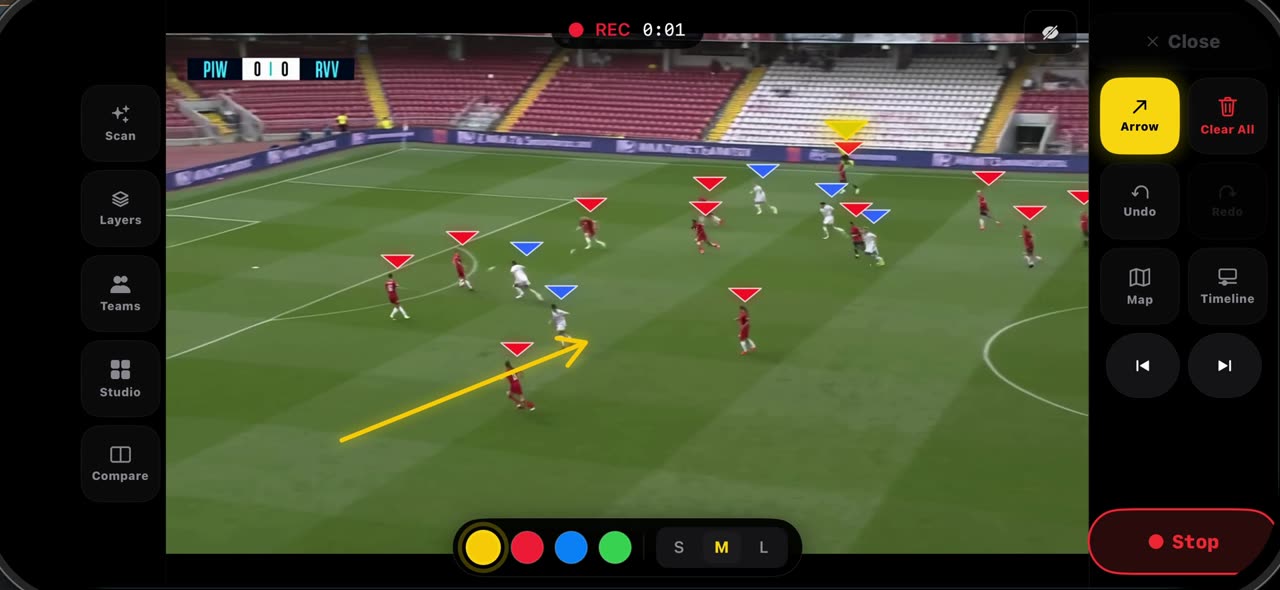
How to record a take on a frozen frame in TacticalSnap
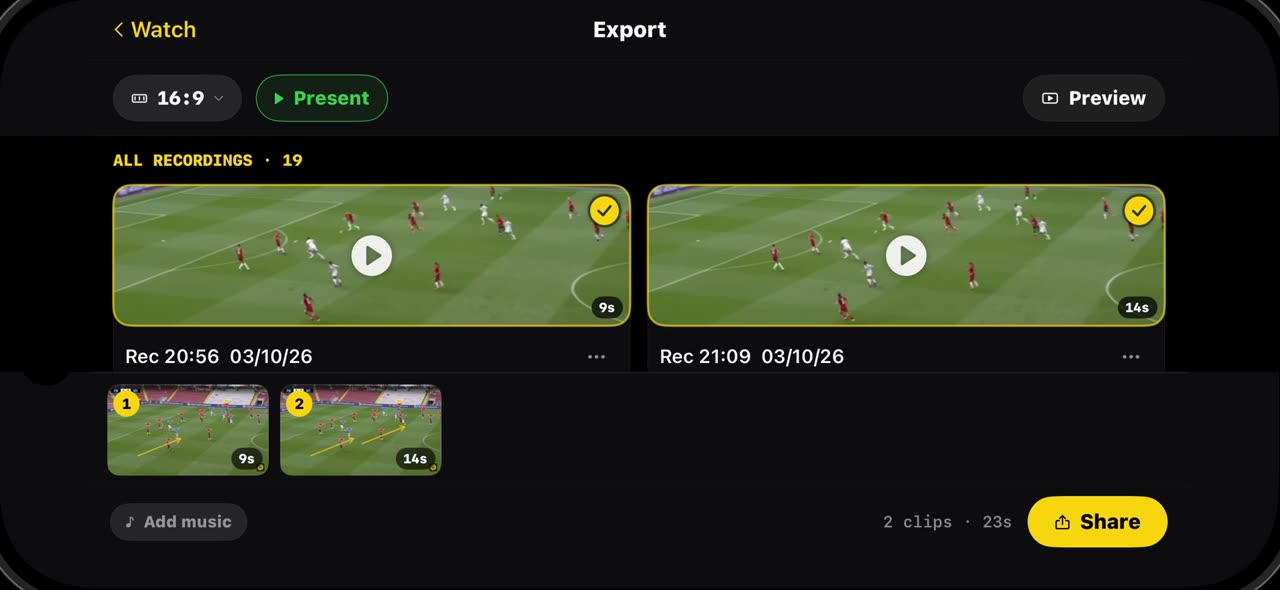
How to export your clips and build a reel in TacticalSnap
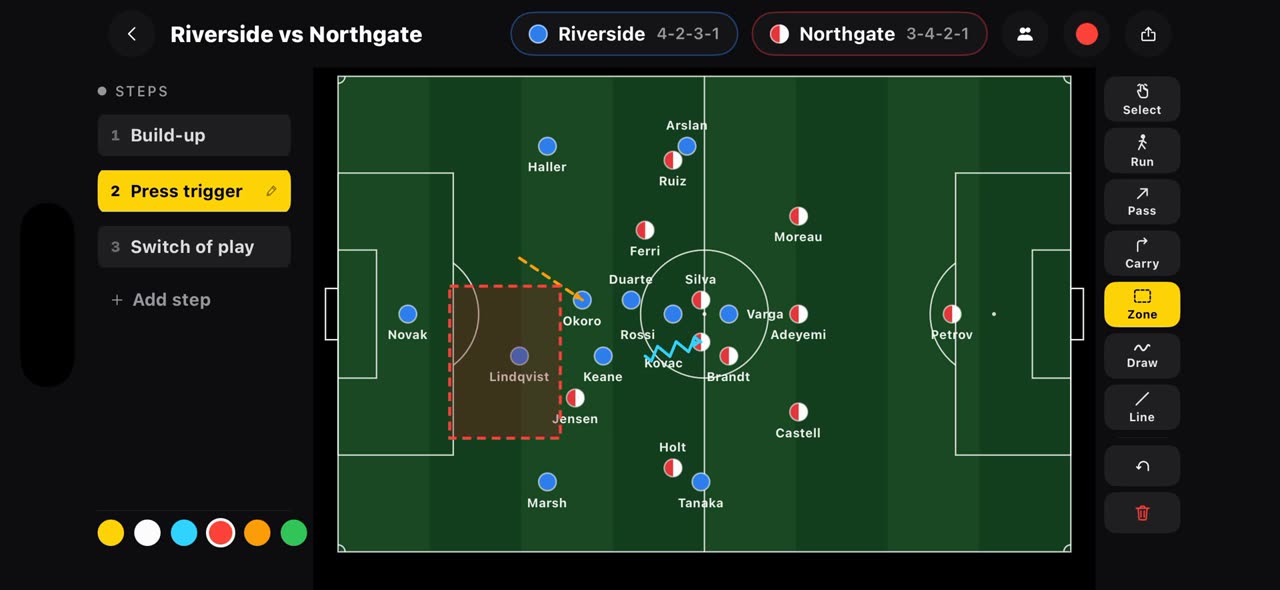
How to draw a plan before kick-off on the TacticalSnap Pre-Match board
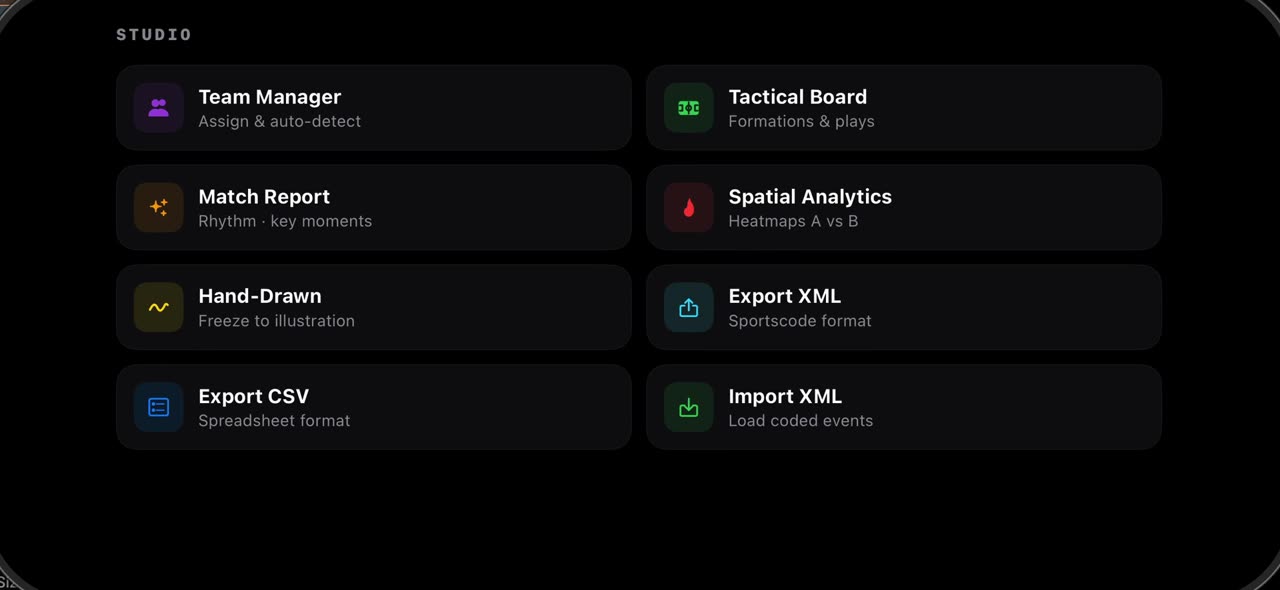
How to export XML and CSV and import coded events in TacticalSnap
Questions coaches ask
How long should a video session be for under-15s?
Fifteen to twenty minutes for the team, around one theme with three to five clips, plus one or two individual clips per player to watch on their own.
What camera do I need to film under-15 matches?
A recent phone is enough. What matters more is height and position: halfway line, four to five metres up on a pole, landscape, the main lens, no zoom.
Can players use video analysis themselves?
Yes, at this age they can. Give each player a short clip with a question, and let them freeze, draw and explain their own decision.
Which tactical topics suit under-15s?
Compactness, pressing triggers, transitions, playing through a press and set pieces. Coach the principles first, then the system.
Is TacticalSnap free for a youth team?
Downloading and every analysis tool is free and unlimited. Exporting video requires Pro, which starts with a three-day free trial on the yearly plan.
Use it on your own matches
TacticalSnap runs on an iPhone or iPad, entirely on the device. Every analysis tool is free; exporting video is the only paid step.